Introduction
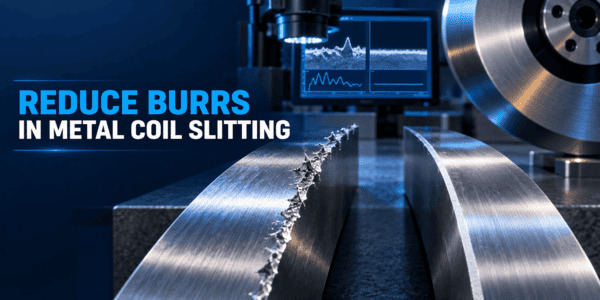
Burrs on slit metal edges can damage downstream tooling, reduce forming accuracy, create handling hazards and increase scrap. A dull circular slitter knife may be involved, but burrs usually reflect the complete slitting system. In rotary shear slitting, upper and lower knives deform the strip and guide it toward fracture. A finished edge normally contains rollover, a burnished zone, a fracture zone and a small burr. The goal is to keep burr height within specification and consistent across every lane.
Quick answer: Match knife clearance and overlap to the coil, maintain sharp and concentric tooling, stabilize the line and measure the result after each controlled adjustment.
1. Read the Slit Edge Before Changing the Setup
Inspect both sides of representative str...
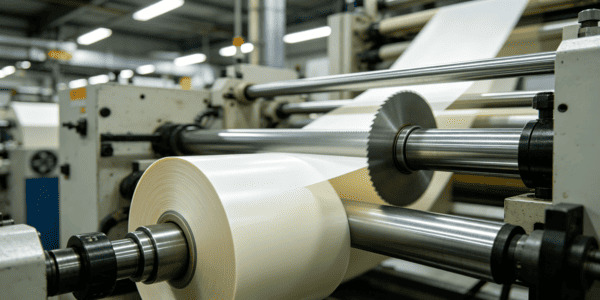
BOPP film slitting demands ultra-sharp, wear-resistant cutting tools to eliminate film stretching, static marks and jagged edges. Improper blade selection brings frequent line stops and massive film waste. As a professional supplier of precision circular slitting & rewinding blades, Guangchuan Blade sorts out blade matching rules for BOPP film processing to help you pick ideal tools.
Core Performance Standards for BOPP Slitting Blades
Continuous high-speed BOPP slitting requires blades with high hardness, fine grinding finish and stable edge toughness. Ordinary steel knives turn dull quickly, causing uneven film edges. Qualified precision rotary slitter knives keep consistent sharpness for long shifts, reducing downtime for blade replacement. Thin and flexible BOPP materials als...





 English