



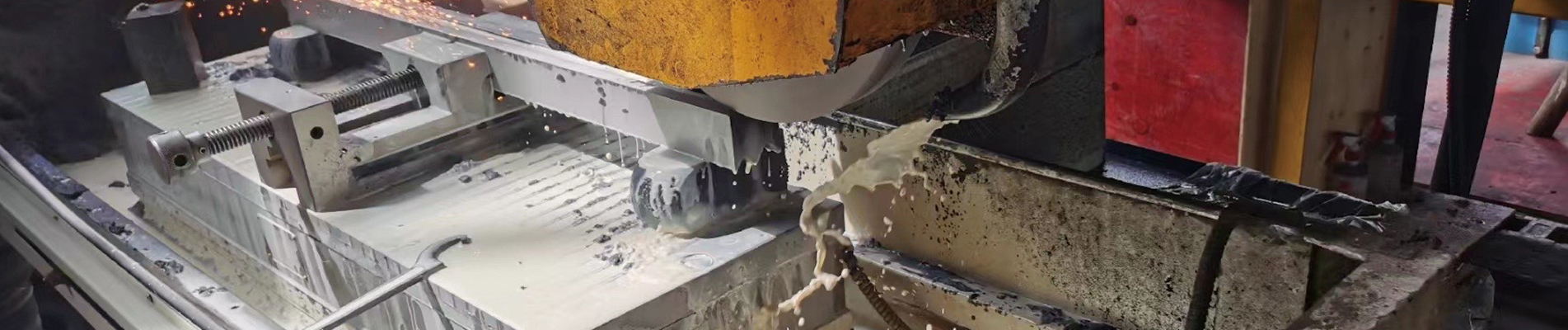

Causes and Solutions for Plastic Crusher Blade Chipping
Blade chipping is a common issue in plastic recycling. It can cause poor cutting quality, higher motor load, increased vibration, and unexpected downtime.
In most cases, plastic crusher blade chipping is related to blade material, clearance, contaminants, heat treatment, feeding conditions, or installation. At Guangchuan Blades, we usually recommend checking the following factors before simply replacing the damaged blades.
Different plastics create different levels of wear and impact.
PE film, PP scrap, PET, thick plastic lumps, engineering plastics, and glass-fiber-reinforced materials may require different blade materials and hardness levels.
A blade that works well for ordinary PP or PE may chip quickly when processing abrasive or reinforced plastics.
Higher hardness can improve wear resistance, but excessive hardness may make the blade more brittle.
For this reason, Guangchuan Blades selects crusher blade materials by considering:
The goal is to achieve the right balance between hardness, toughness, and wear resistance.
The clearance between rotating and fixed blades directly affects cutting performance.
If the gap is too small, the blades may contact each other and damage the cutting edges.
If the gap is too large, plastic may be torn instead of cleanly cut, increasing cutting resistance and blade load.
Blade clearance should always be checked after blade replacement, sharpening, or machine maintenance.
Metal and other hard foreign objects are among the most serious causes of crusher blade chipping.
Common contaminants include:
A high-speed blade hitting a hard object can chip or crack immediately.
For materials with a high contamination risk, Guangchuan Blades recommends using magnetic separation, metal detection, screening, or manual inspection before crushing.
Too much material inside the cutting chamber increases resistance and blade load.
This often occurs when processing thick purgings, large injection runners, plastic pipes, HDPE products, or reinforced plastics.
A stable feed rate helps protect both the crusher and the blades.
Operators should also monitor motor current. A sudden increase may indicate overloading, blockage, or difficult material entering the chamber.
Steel grade alone does not determine blade quality.
Heat treatment affects hardness, toughness, internal stress, and cutting-edge stability.
Improper heat treatment can cause:
At Guangchuan Blades, blade material and heat treatment are considered together according to the actual recycling application.
The objective is not simply to produce the hardest blade, but to provide a blade with suitable wear resistance and impact toughness.
Even a good crusher blade can fail early if installation is incorrect.
Common problems include dirty mounting surfaces, uneven blade seats, incorrect bolt tightening, misalignment, and improper blade clearance.
Before startup, make sure:
Proper installation helps prevent unnecessary edge damage and uneven blade stress.
To improve crusher blade life:
If blade chipping continues, the problem may come from the blade, the machine, or the material being processed.
Guangchuan Blades manufactures replacement plastic crusher blades for different recycling applications. Instead of recommending blades only by steel grade, we evaluate the actual working conditions, including plastic type, blade dimensions, hardness requirements, feed conditions, and common failure problems. If your crusher blades are frequently chipping, wearing too quickly, or losing cutting efficiency, send us:
Guangchuan Blades can help you evaluate the cause and recommend a more suitable crusher blade solution.
Contact Guangchuan Blades for plastic crusher blade solutions today.

Leave A Message
Scan to WhatsApp :

 English