



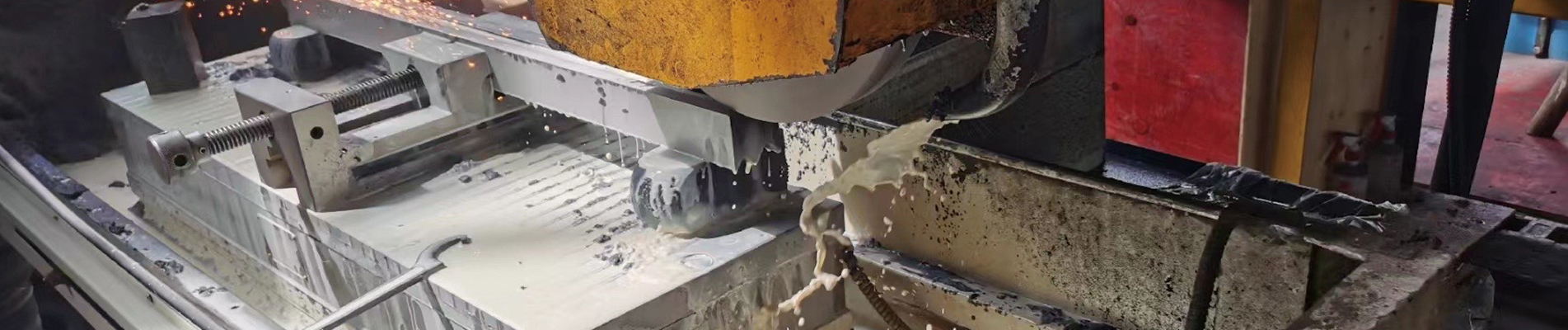

PET plastic recycling puts extreme stress on shredder blades due to mixed impurities like sand, metal fragments and rigid plastic chunks. Poor blade selection leads to frequent chipping, fast dulling and unexpected production halts. As an experienced manufacturer of wear-resistant industrial shredder blades, Guangchuan Blade explains key selection points for PET recycling operations.
Core Challenges for PET Shredder Blades
Unlike clean production cutting, recycling shredding involves continuous impact and abrasive wear from contaminated materials. Sand particles accelerate edge abrasion, while accidental metal pieces cause chipping and cracking. Blades must balance hardness for wear resistance and toughness for impact absorption. Inferior blades often fail within weeks, raising replacement and maintenance costs.
Recommended Materials by Workload
For general PET bottle recycling with moderate impurity levels, Cr12MoV alloy steel provides balanced wear and impact resistance at a practical cost. For heavy-duty lines processing thick rigid plastic and mixed waste, DC53 upgraded tool steel delivers better toughness and longer service life. Our PET recycling cutting blades can also be customized with optimized edge angles to resist chipping.
Design Features That Boost Service Life
Reputable shredder blades feature double-sided or multi-edge designs that allow flipping to extend use before replacement. Precise heat treatment ensures uniform hardness across the entire blade body, avoiding premature wear on weak spots. All heavy-duty shredder knives from Guangchuan go through strict impact testing to meet tough recycling conditions.
In conclusion, the best PET recycling shredder blades match your material impurity level and daily workload. Choosing properly engineered Guangchuan wear-resistant blades reduces replacement frequency, cuts downtime and improves overall efficiency for your plastic recycling lines.

Leave A Message
Scan to WhatsApp :

 English