



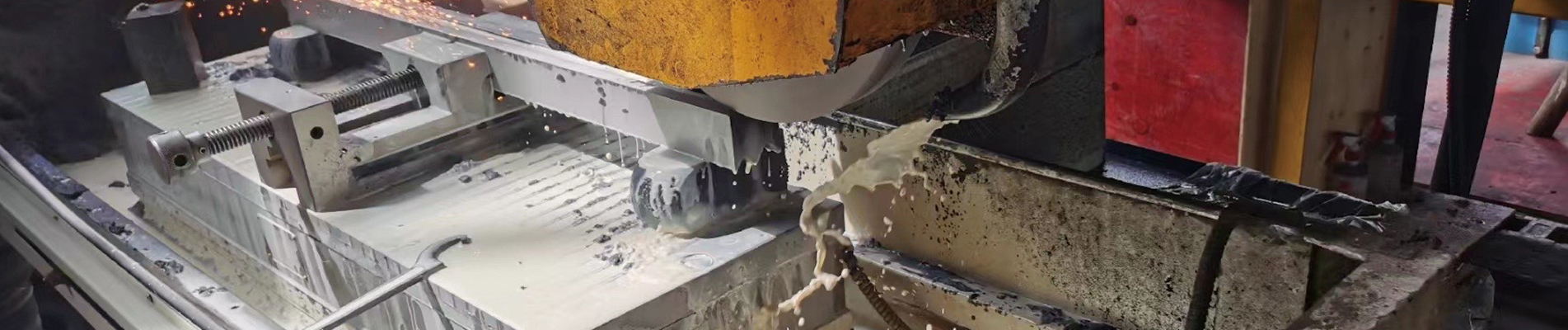

Many plastic recycling facilities encounter inconsistent granule size, stringy fragments, frequent re‑circulation and fluctuating throughput, even after fitting brand‑new sharp blades. Most plant operators focus on sharpening or blade material selection, yet overlook blade clearance, the gap between rotating rotor blades and stationary fixed blades. Improper clearance breaks the scissor‑style shearing action, creating unstable output, higher power draw and accelerated blade wear. Correct adjustment delivers steady particle quality, reduces downtime and maximise return on your plastic crusher blades investment.
What Happens With Mis‑Set Blade Clearance
Blade clearance directly shapes cutting behaviour. When clearance sits too wide, plastic material bends and tears instead of clean shear. Operators will notice stringy scraps, oversized particles and frequent material recirculation inside the shredding chamber, pushing up motor load and energy consumption.
If clearance becomes excessively tight, metal‑to‑metal rubbing occurs between moving and fixed blades. Excess heat softens plastic, causing smearing. Blade edges chip or round off quickly, shortening service life of industrial granulator knives, and machine vibration rises sharply. Uneven clearance across blade length creates mixed good‑quality and poor‑quality output simultaneously.
Reference Clearance Ranges for Common Plastic Materials
No universal clearance value applies for all applications; settings must match feedstock properties. These ranges serve as practical reference values, cross‑check against equipment manufacturer specifications before final setup.
Step‑by‑Step Blade Clearance Adjustment
Safety comes first. Always implement lock‑out tag‑out procedures and cut off machine power before opening the crusher housing. Never perform adjustment while equipment runs.
1. Inspect blade condition. Confirm rotor blades and fixed blades are properly secured, without chipping, heavy deformation or uneven wear. Worn blades should be sharpened or replaced before clearance calibration.
2. Loosen locking bolts for fixed blade seats. Do not fully remove bolts; keep partial tension for fine position tuning.
3. Use a feeler gauge to measure gap at left, middle and right positions across the full blade length. Adjust fixed‑blade position via adjusting screws or shims until gap matches target value at every measuring point. Gap deviation along blade length should stay below 0.1 mm.
4. Tighten all locking bolts to specified torque value, then re‑measure clearance again. Bolt tension can shift blade position and change gap after tightening.
5. Manual rotor rotation check. Turn rotor by hand multiple full rotations. No metal‑on‑metal scraping sound should appear. If scraping noise occurs, re‑adjust gap immediately.
6. Conduct low‑volume trial run. Feed small batches of real production material, observe particle shape and size. Fine‑tune clearance if output remains irregular. Record adjustment data for future reference.
Key Practical Tips to Maintain Stable Output After Adjustment
Clearance drifts gradually during continuous production due to vibration, blade wear and thermal expansion. Regular re‑calibration prevents output deterioration.
Re‑check clearance after every blade sharpening or blade replacement. Sharpening modifies blade geometry and changes original gap settings. For heavy‑duty recycling lines processing high volumes of contaminated plastic waste, perform clearance inspection every one to two weeks.
When switching to different feedstock types, reset blade clearance accordingly. Running film scrap at gaps set for hard plastic will generate large amounts of tangled strips. Rigid engineering plastics processed under overly wide clearance produce inconsistent fragments and lower throughput.
High‑quality heavy‑duty crusher blades deliver reliable performance, yet optimal output still relies on precise clearance matching. Even premium blades cannot compensate for poorly calibrated gaps.
Final Thoughts
Consistent plastic shredding output depends not only on blade material quality, but also accurate blade‑to‑fixed‑blade clearance. Operators can reduce reject material, cut energy cost and extend blade service cycles by following safe adjustment workflows and material‑matched gap settings. Regular inspection and re‑calibration keep your recycling line running at stable performance over long production cycles.

Leave A Message
Scan to WhatsApp :

 English