



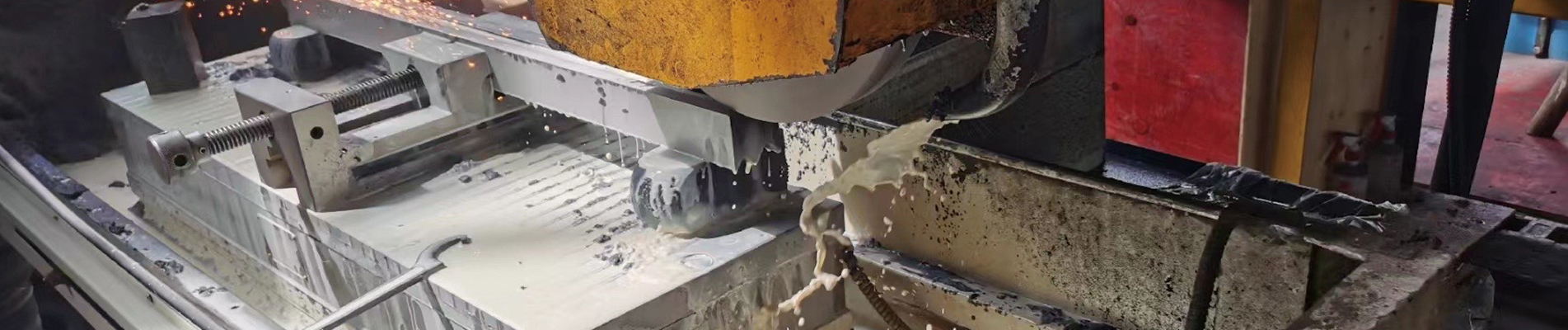

Deciding whether to upgrade from D2 to tungsten carbide circular slitter blades is a common dilemma for slitting line managers. While D2 steel works well for many applications, upgrading at the right time cuts downtime and reduces long-term costs. As a specialized maker of precision circular slitting & rewinding blades, Guangchuan Blade outlines clear signals and cost logic to guide your decision.
Key Signs It’s Time to Upgrade
If your D2 blades require frequent regrinding, produce increasing edge burrs, or fail to keep up with 24-hour production schedules, upgrading is likely cost-effective. High-abrasive materials like coated paper, metallized film and adhesive tape also wear D2 steel rapidly, raising per-cut costs over time. Many operations delay upgrades only to accumulate higher downtime and material waste expenses.
Core Performance Differences
D2 tool steel delivers reliable toughness and impact resistance at a lower upfront cost, ideal for medium-speed, flexible production lines. Tungsten carbide slitter blades offer 3–5 times longer wear life, maintaining consistent sharpness through continuous high-speed runs. They also deliver cleaner, burr-free edges for longer periods, reducing quality rejects in precision film and paper processing.
Cost-Benefit of Upgrading
Upgrading makes sense when blade replacement and downtime costs outweigh the price difference. High-volume production lines with 16+ hour daily runs see the fastest return on investment. All Guangchuan precision blades undergo strict vacuum heat treatment and precision grinding, ensuring both D2 and carbide options deliver stable, predictable performance for their intended use cases.
In short, upgrade to tungsten carbide when your line faces heavy abrasion, non-stop production or rising regrind costs; stick with D2 for low-volume, mixed-material work. Choosing matched industrial slitting knife solutions from Guangchuan helps you balance upfront cost and long-term efficiency, optimizing your total cost of ownership.

Leave A Message
Scan to WhatsApp :

 English